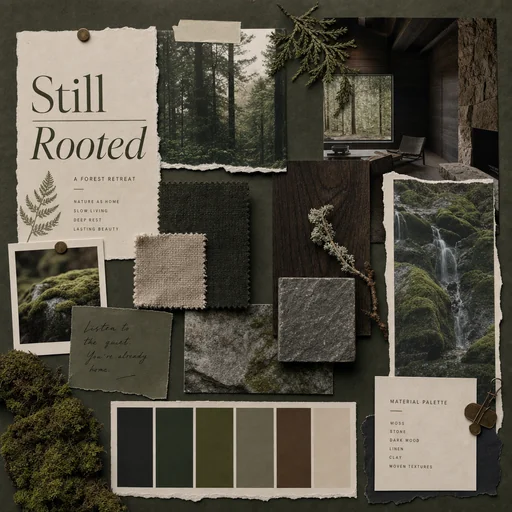
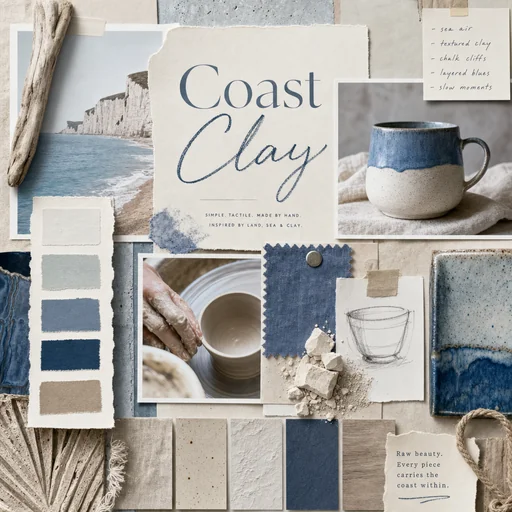
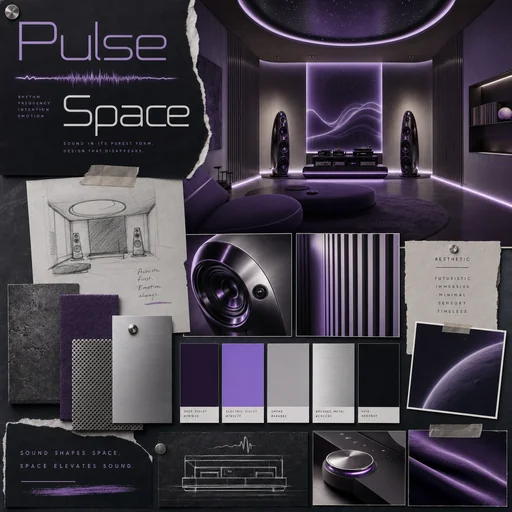
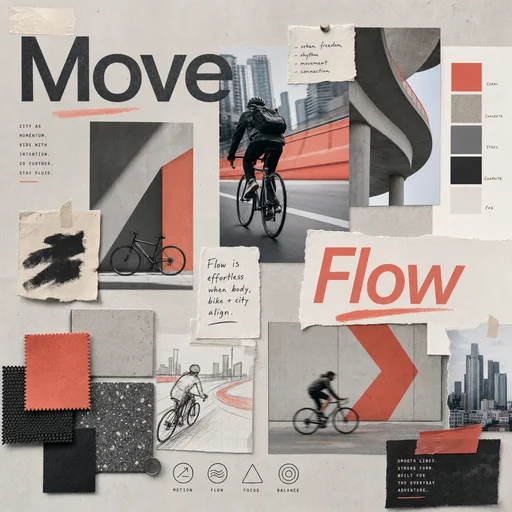
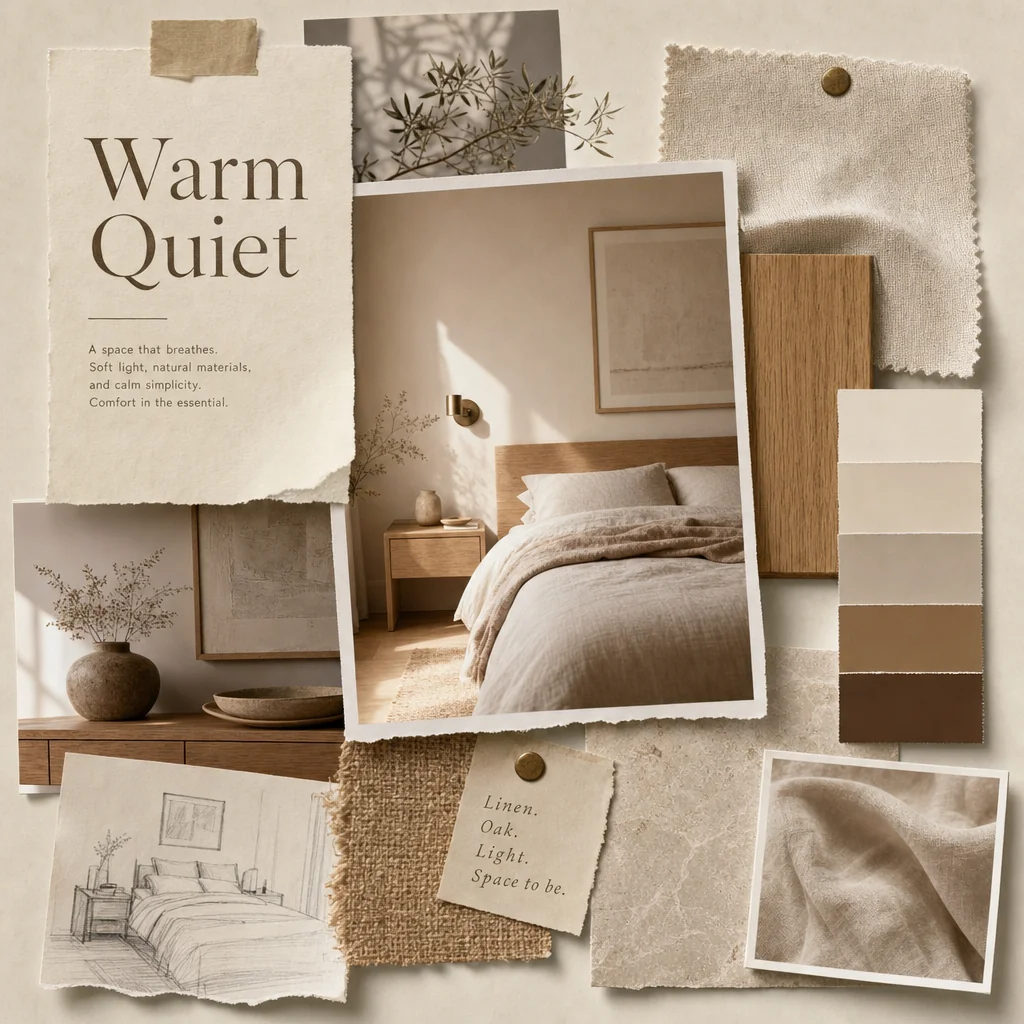
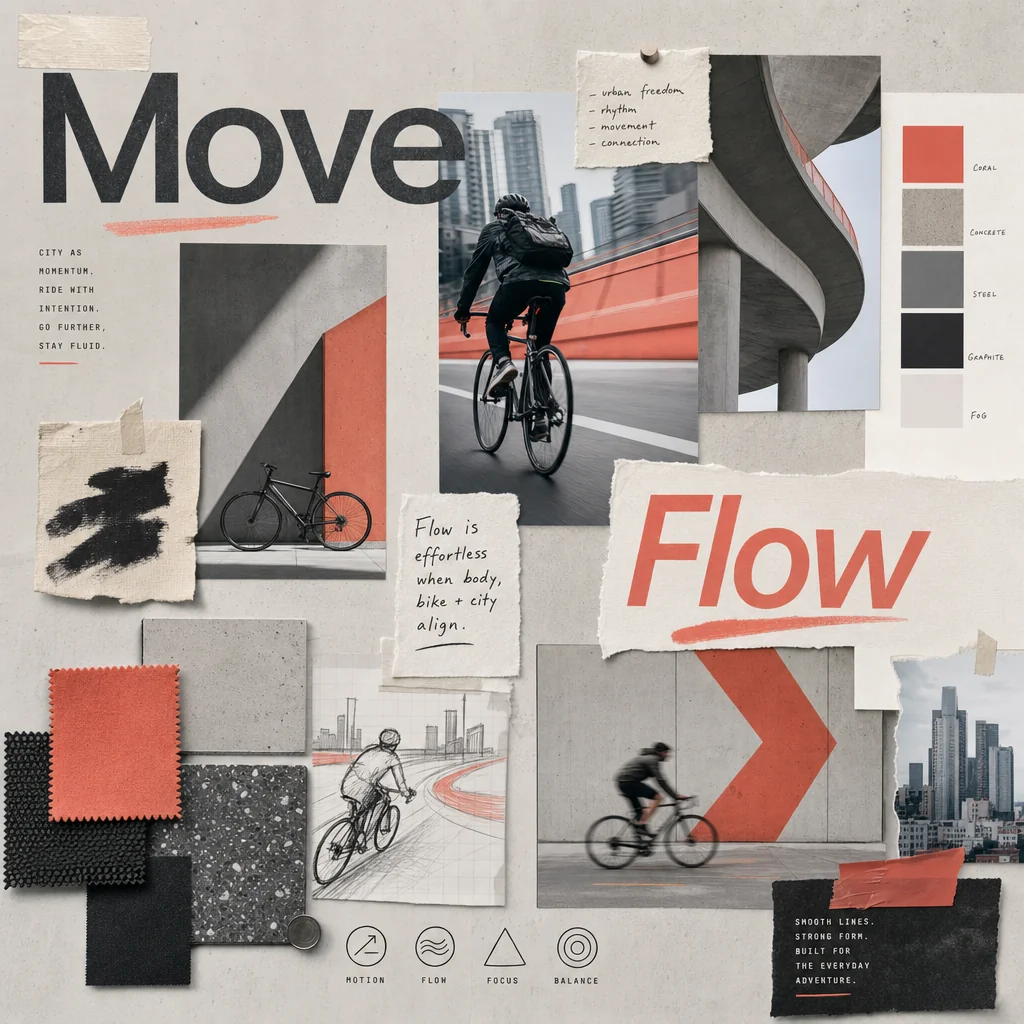
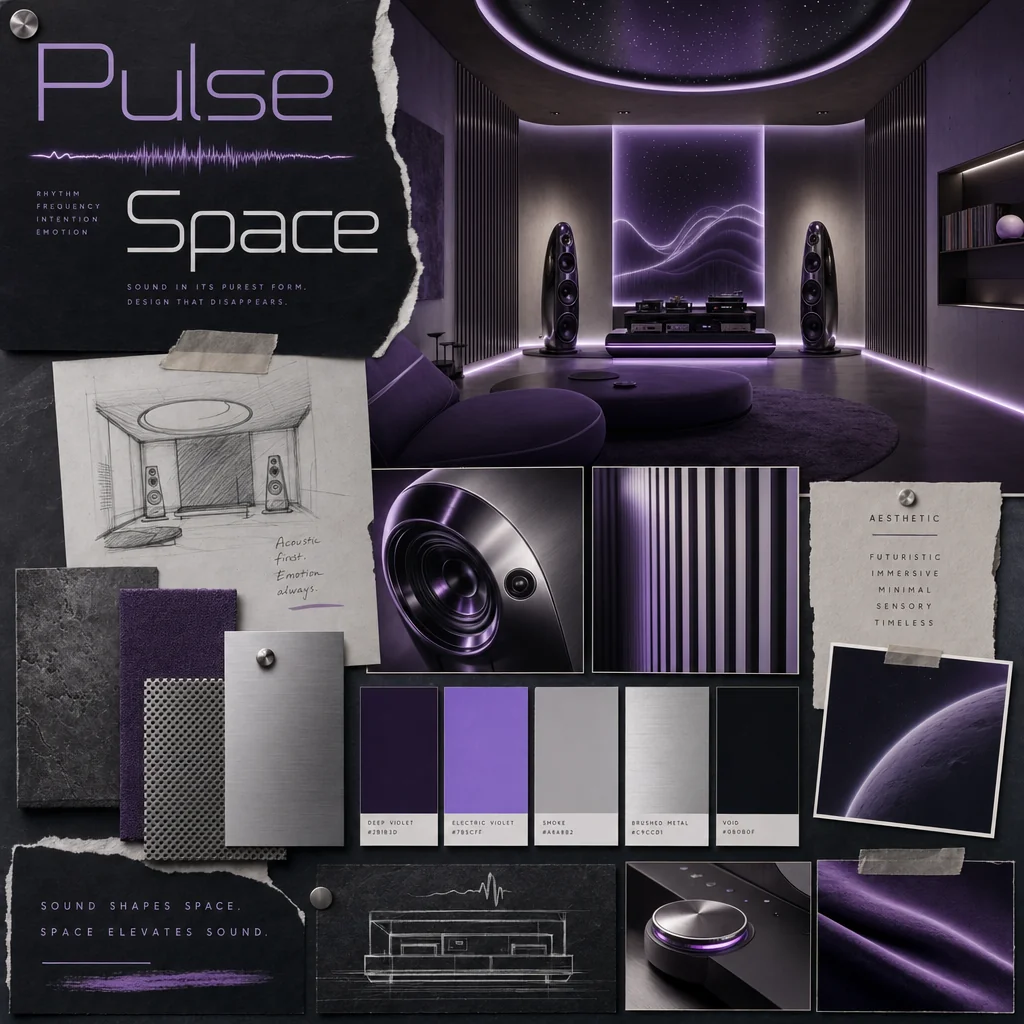
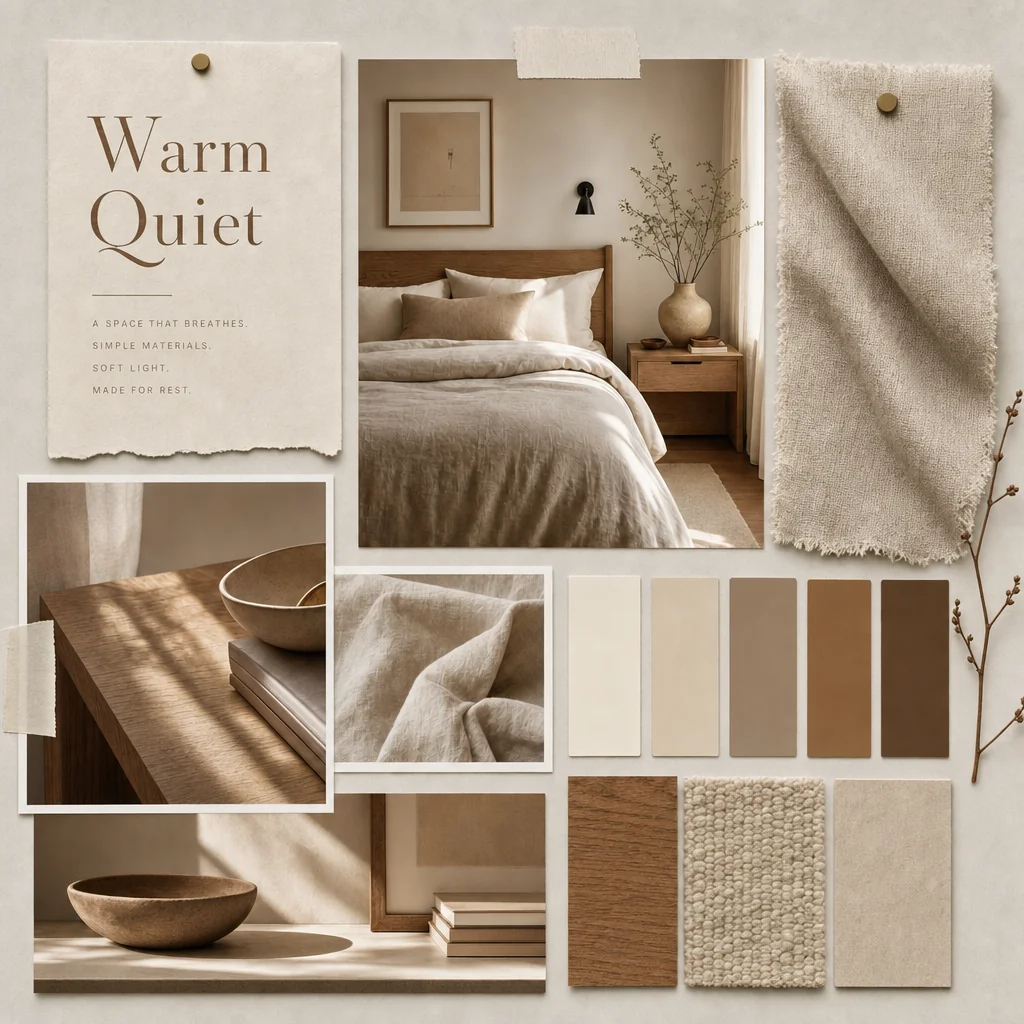
Warm minimalist bedroom moodboard with linen, oak and cream color chips.Forest retreat moodboard with moss, stone, dark wood and Still and Rooted type cues.Coastal pottery moodboard with blue glaze, chalk cliffs and clay textures.Futuristic violet listening-room moodboard with brushed metal, Pulse and Space typography.Urban cycling moodboard with coral accents, concrete textures and Move and Flow typography.

Create a clear moodboard

Turn your creative direction into a layered moodboard with imagery, materials, color, and typography cues.

  1. Describe
  2. Log in
  3. Create
  • Describe your direction

    Describe the mood, audience, visual references, and design story you want the moodboard to communicate.

  • Shape the visual language

    Ask for specific imagery, material swatches, color chips, typography cues, spacing, or collage changes in follow-up descriptions.

  • Clarify the aesthetic

    Review whether the layered composition expresses your intended point of view, then refine details that feel crowded or unclear.

Visual language

Give scattered inspiration a shared language

Bring references, textures, colors, and type cues together so your creative direction feels focused and easy to discuss.

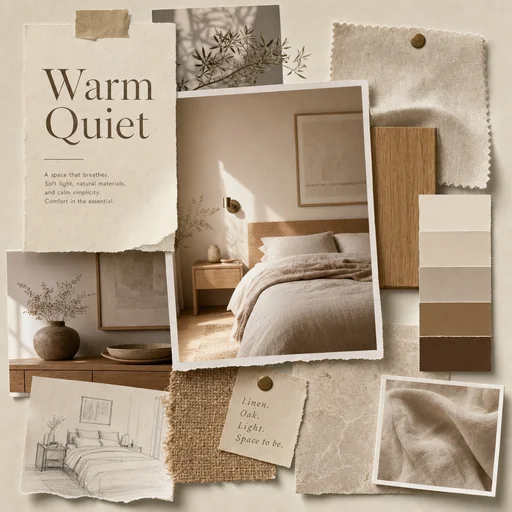
Warm minimalist bedroom moodboard with linen, oak and cream color chips.
Urban cycling moodboard with coral accents, concrete textures and Move and Flow typography.
Futuristic violet listening-room moodboard with brushed metal, Pulse and Space typography.

Get started

Create a first image, refine that same image, and review the final result.

步驟 1

Describe your image

Provide the details for the first image.
步驟 2

Refine the first result

Use the actual first result with this follow-up.
Step 3: Review the refined result.

步驟 3

Review the refined result

Check the result against the requested details and preserved constraints.